Principles
Master the Basic Principles of Landscape Design for a Beautiful Yard
Learn the basic principles of landscape design to create a visually stunning outdoor space. Discover expert tips and key elements to transform your yard today.

Learn the basic principles of landscape design to create a visually stunning outdoor space. Discover expert tips and key elements to transform your yard today.
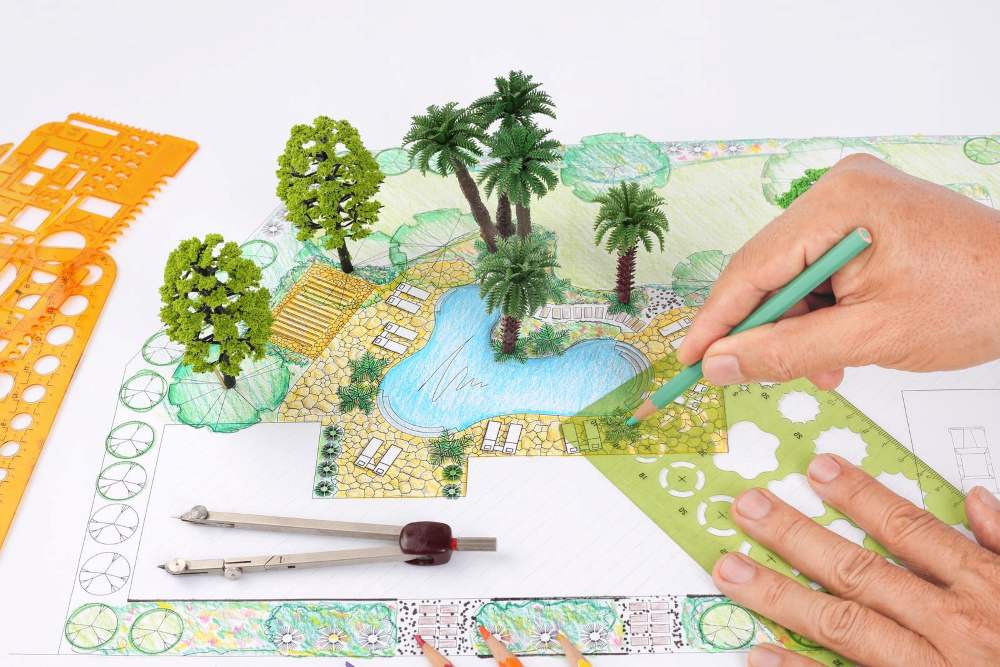
If you’ve ever stepped into a well-designed garden or front yard, you know it’s like stepping into another world. A beautiful landscape has the power to inspire, relax, and evoke joy, while also adding considerable value to your home. But how do you achieve such a harmonious space? What principles should guide your choices when crafting your own outdoor retreat?
The art of landscape design is more than just arranging plants and hardscapes in an appealing way. It involves creating a cohesive environment that takes into account everything from the site’s natural elements to the balance between aesthetic appeal and functionality. By understanding and applying a few basic principles, anyone can design a landscape that is both beautiful and sustainable.
According to the National Association of Landscape Professionals (NALP), nearly 90% of homeowners consider their outdoor space as an extension of their living areas. But despite the growing interest in landscape design, many still face challenges when it comes to creating a unified, functional design. This article will walk you through the foundational concepts of landscape design, helping you craft a garden or yard that’s both stylish and practical.
Landscape design is a blend of creativity and technical knowledge. A successful landscape design doesn’t just happen by accident—it’s the result of careful planning and consideration of various elements, such as space, color, form, and texture. By focusing on the following basic principles, you can create a design that enhances both the look and function of your yard.
The principle of balance is one of the most important aspects of landscape design. Just as a well-balanced room feels right, a landscape must be visually balanced to be pleasing to the eye. There are two main types of balance in landscape design: symmetrical and asymmetrical.
Pro tip: To achieve balance, place plants or features with similar visual weight on both sides of a focal point. This doesn’t mean everything has to be identical but rather that it creates a sense of equilibrium in the design.
Proportion refers to the relationship in size between elements in your landscape. Elements like trees, shrubs, and hardscaping must be scaled properly to avoid overwhelming the space. For instance, planting a towering tree next to a small garden bed may overpower the other features and create an unbalanced look.
When working with hardscaping features, such as patios or walkways, always consider the scale of your home and the surrounding environment. A massive stone wall can dominate a small yard, while a tiny retaining wall might get lost in a large landscape.
Pro tip: Use large plants or structures sparingly and keep them toward the back of the yard, while placing smaller elements in the foreground. This will help maintain proportion and visual interest.
One of the most exciting aspects of landscape design is the ability to guide people’s movement through the space. The concept of flow refers to how your landscape elements connect and guide the viewer’s eye or body from one area to another. A good landscape design encourages exploration, making each step feel like a new experience.
Pathways are crucial for creating flow in your landscape design. Whether it's a simple gravel path or a formal stone walkway, pathways help direct foot traffic and lead people through your yard. Ideally, a pathway should be both functional and visually interesting, leading people through the space while offering something new to discover at every turn.
Pro tip: Integrating pathways with landscape features like flower beds or fountains makes the journey through the space more enjoyable and dynamic.
Layering in landscape design refers to the arrangement of plants and structures in a way that adds depth to the space. Instead of placing everything at the same level, layering creates a sense of distance and interest by varying the heights and depths of the elements.
By using layers, you create a more visually complex and dynamic space, encouraging the viewer to look beyond the surface and appreciate the depth of the design.
Color and texture are essential in making your landscape feel vibrant and alive. Whether you're working with plants or materials like stone, wood, and water features, both of these elements contribute significantly to the overall mood and visual appeal of the space.
Color has the power to evoke emotions and set the tone for your landscape. By carefully selecting a color palette, you can influence the atmosphere of your outdoor space.
Pro tip: Use cool colors in the background and warm colors in the foreground to create depth and visual interest. For example, placing warm-colored flowers near a patio or seating area will draw attention to that space.
Texture refers to the surface quality of both plantings and hardscaping materials. A successful landscape design incorporates a variety of textures to create contrast and visual interest.
Pro tip: Mixing different textures in your landscape design creates a rich, layered experience, offering both visual and tactile interest.
In today’s world, sustainability is more important than ever. Sustainable landscape design focuses on creating beautiful spaces that are environmentally responsible and resource-efficient. This can include choosing plants that are native to your area, using water-wise irrigation systems, and selecting materials that minimize the environmental impact.
Native plants are an excellent choice for sustainable landscaping because they are adapted to the local climate and require less water, fertilizer, and maintenance. These plants are also beneficial for local wildlife, providing food and habitat for birds, insects, and other creatures.
Pro tip: Consult with local nurseries or landscaping experts to choose the best native plants for your area. These plants will thrive with minimal effort and provide year-round beauty.
Water conservation is another critical aspect of sustainable landscape design. Water-efficient irrigation systems, such as drip irrigation, help ensure that water is delivered directly to plant roots, reducing waste. Additionally, incorporating drought-tolerant plants into your design can help minimize your water usage.
Incorporating a swimming pool into your landscape design is an exciting option, but it requires careful planning to ensure that it complements the overall design.
Deciding whether to include a pool in your landscape design is a big choice that can transform your outdoor space. Saturn Pool Builders advises, 'Incorporating and building a pool into your landscape can increase property value by up to 15%, making it not only a recreational addition but a smart financial investment. A well-designed pool can complement the natural flow of your yard, offering both beauty and functionality. However, it’s important to consider factors such as space, maintenance, and how the pool will integrate with other landscape elements to ensure it enhances the overall design rather than overwhelming it.'
Designing a beautiful and functional landscape is not just about following the latest trends or choosing the most expensive plants and materials. It’s about understanding the basic principles of balance, flow, texture, and sustainability. By applying these principles, you can create a space that reflects your personal style while enhancing the overall functionality of your yard.
As you begin to transform your outdoor space, remember that landscaping is a journey, not a destination. Every garden has its own unique rhythm, and with careful planning and attention to detail, you can create a landscape that brings you joy for years to come. What steps will you take to start designing your dream garden today?



